
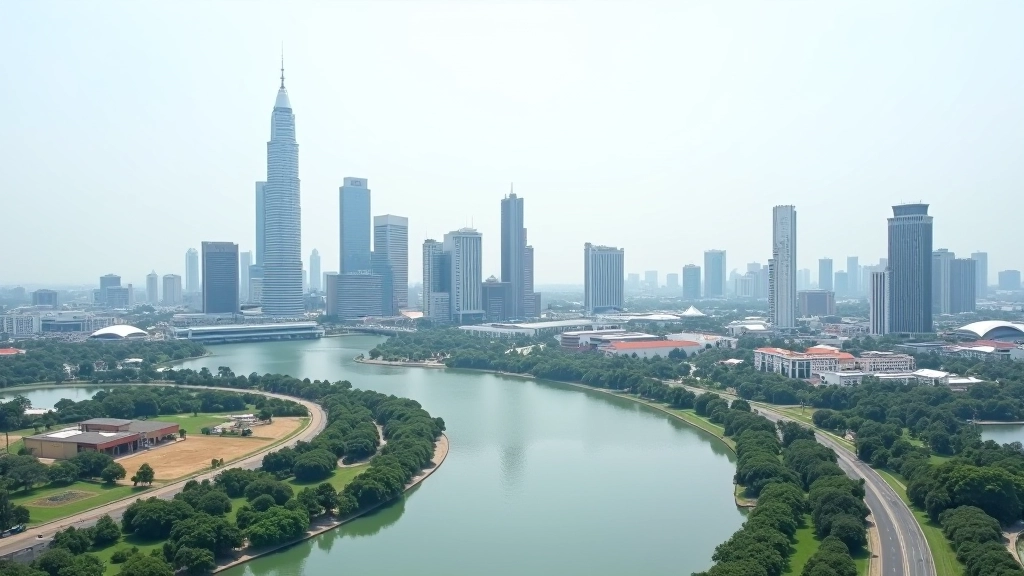
Iskandar Malaysia: Growth Patterns and Investment Performance
How the southern corridor became Malaysia’s fastest-growing economic zone and what drives its continued expansion.
Read MoreHow population movement between regions reshapes local economies and what it reveals about corridor effectiveness.
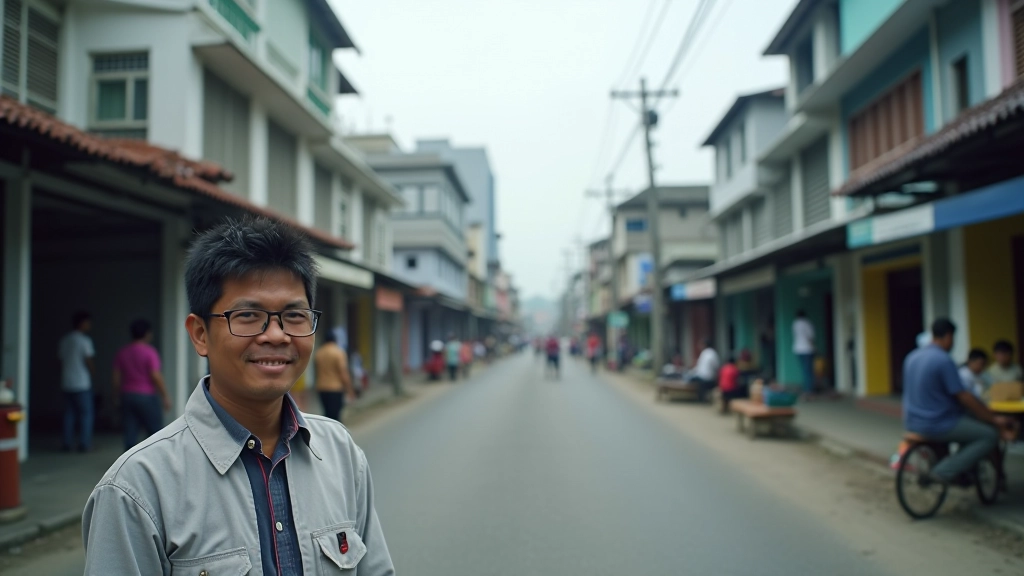
Migration isn’t just about people moving. It’s about economic resources, job opportunities, and infrastructure shifting. When rural populations move to urban centers—particularly to developed economic corridors like Iskandar Malaysia or ECER zones—they’re responding to real wage differences and employment prospects. But this movement creates winners and losers. Cities gain working-age populations and tax bases. Rural areas lose their most productive citizens.
The pattern is clear across Malaysia. Between 2010 and 2020, Selangor and Kuala Lumpur absorbed nearly 1.2 million migrants. Meanwhile, rural states like Kelantan and Terengganu saw population decline. That’s not coincidence—it reflects where economic corridors actually concentrate growth. Understanding these flows reveals which development strategies genuinely work.

The reasons are economic. Manufacturing workers leave farms for factory jobs. Graduates head to cities where corporate offices cluster. Families follow relatives already established in urban areas. They’re not chasing dreams—they’re following wages.
Real wage differences drive migration. A factory worker in Johor Bahru earns roughly 40% more than a similar worker in rural Kelantan. That gap explains the flow.
This creates a feedback loop. As more workers arrive, businesses expand. As businesses expand, they attract more workers. The concentration effect is powerful. Penang’s electronics industry didn’t grow because of geographic advantage—it grew because early investors attracted workers, who attracted more businesses. Now over 500,000 people work in manufacturing there.
But there’s a cost. Rural areas get left behind. You’ll see ghost villages in Pahang where only elderly residents remain. Schools close. Hospitals lose staffing. The economic base erodes because the working-age population has departed.

Cities receive migrants who become taxpayers. Selangor’s revenue increased by 23% from 2015-2020, directly tied to population growth and economic activity concentration. More workers mean more consumption, more businesses, more municipal income.
Rapid migration creates demand for housing, transportation, and utilities. Kuala Lumpur’s housing prices increased 8-12% annually from 2010-2018. Infrastructure struggles to keep pace. Traffic congestion costs the Klang Valley economy an estimated RM10 billion yearly.
Rural regions lose their economic engines—young, productive workers. The 12th Malaysia Plan acknowledged this: eastern corridor states have 40% lower per-capita income than Selangor. Migration accelerates that gap.
Migrants send money home. These remittances support rural families and sustain rural economies despite population loss. But they’re not replacement for local economic development—they’re band-aids on systemic problems.
Migration patterns are economic reality checks. They show where corridors actually work.
Iskandar Malaysia succeeds because it’s attracted genuine investment. Port activities, petrochemicals, and manufacturing are real jobs—not theoretical. Migration there follows. Johor Bahru’s population grew 35% from 2010-2020. That’s not accidental. It’s the result of infrastructure, stable policies, and actual economic opportunity.
Compare that to ECER. The East Coast Economic Region was designed to diversify Terengganu, Kelantan, and Pahang away from agriculture. But migration out of those states continued. Why? Because the corridor didn’t create enough competitive jobs. Petroleum and petrochemicals require specialized skills and capital-intensive investment. They don’t employ the mass of rural workers seeking opportunity. The corridor exists on paper more convincingly than on the ground.
Sabah and Sarawak present a different challenge. Despite massive land area and resource wealth, both states show lower migration attraction than Peninsular corridors. This reflects infrastructure limitations, geographic distance from major markets, and less developed business ecosystems. People don’t move to underdeveloped regions, even if resources exist there.


The 12th Malaysia Plan acknowledges what migration patterns demonstrate: balanced regional development requires more than corridor designation. It requires genuine economic opportunity creation.
This means different strategies for different regions. For high-migration zones like Selangor, it’s managing growth—building transit systems, creating affordable housing, preventing congestion from strangling the economy. The Klang Valley’s problems aren’t shortage of workers. They’re shortage of coordinated infrastructure.
For underperforming corridors, it’s rethinking strategy. ECER can’t succeed by copying Iskandar’s petrochemical focus. It needs industries matching its assets and workforce. Digital services, agricultural processing, tourism—sectors requiring less capital and employing more people. When Kelantan develops competitive advantages in these areas, migration patterns will shift.
For East Malaysia, it’s infrastructure first. Without reliable transportation, electricity, and digital connectivity, Sabah and Sarawak can’t compete for workers or investment. Corridor development without foundational infrastructure is marketing, not economics.
Migration patterns don’t lie. They reveal which economic corridors genuinely create opportunity and which remain aspirational.
People move toward jobs, not toward designated zones. When economic corridors succeed—like Iskandar or the Penang electronics cluster—you see migration responding. Workers arrive. Families follow. The population grows. That’s the real measure of corridor effectiveness.
Conversely, when corridors don’t create competitive employment, people leave. That’s not failure of the workers. It’s failure of the strategy. Migration isn’t a problem to solve—it’s a signal to listen to.
Understanding these flows—where they happen, why they happen, and what they reveal about economic reality—is essential for effective regional development planning. The 12th Malaysia Plan’s emphasis on balanced development makes sense. But balance requires honest assessment of which corridors work and why. Migration data provides that assessment.

This article presents economic analysis and data about rural-urban migration patterns in Malaysia for educational purposes. The information reflects publicly available statistics, government reports, and economic research. Migration patterns are complex and influenced by numerous factors beyond those discussed here. Individual circumstances vary significantly. This content is informational and shouldn’t be used as the sole basis for policy decisions, investment choices, or regional development planning. For specific economic analysis or policy guidance, consult qualified economists, regional development specialists, or official government sources.