Iskandar Malaysia: Growth Patterns and Investment Performance
How the southern corridor became Malaysia’s fastest-growing economic zone and what investment patterns reveal about regional development strategies.
Read MoreWhy East Malaysia’s development lags behind Peninsular Malaysia and what recent policy shifts mean for regional equity.
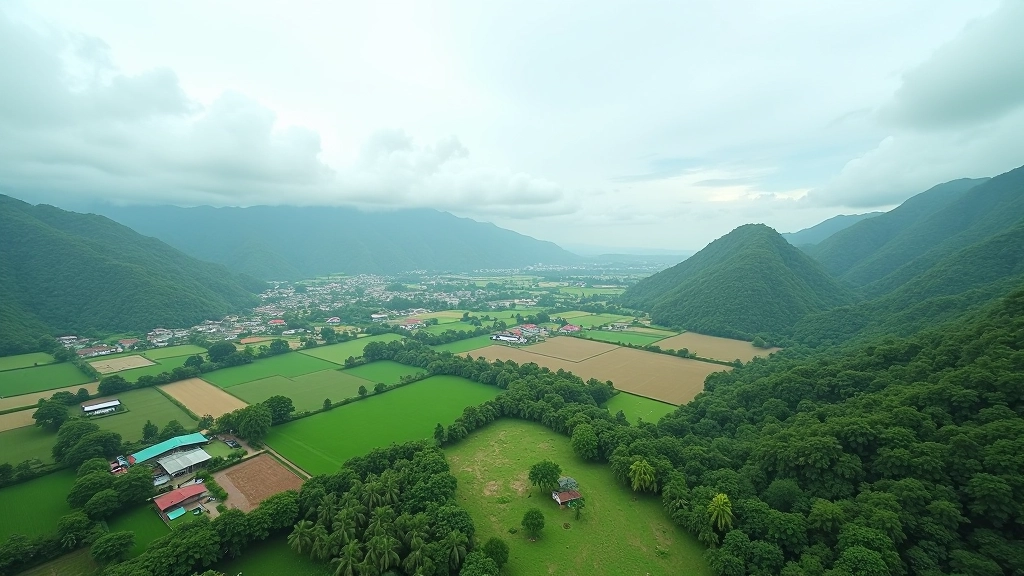
East Malaysia isn’t behind because it lacks potential. Sabah and Sarawak combined cover 60% of Malaysia’s land area yet account for only about 8% of national GDP. That gap didn’t happen overnight. It’s the result of decades of infrastructure investment concentration, capital allocation patterns, and economic policy decisions that favored the peninsula.
But here’s what’s changing. The 12th Malaysia Plan (2021-2025) explicitly prioritizes East Malaysia. New economic corridors are being developed. There’s momentum we haven’t seen before. Understanding what’s happening now — and why it matters — requires looking at both the historical context and the emerging opportunities.
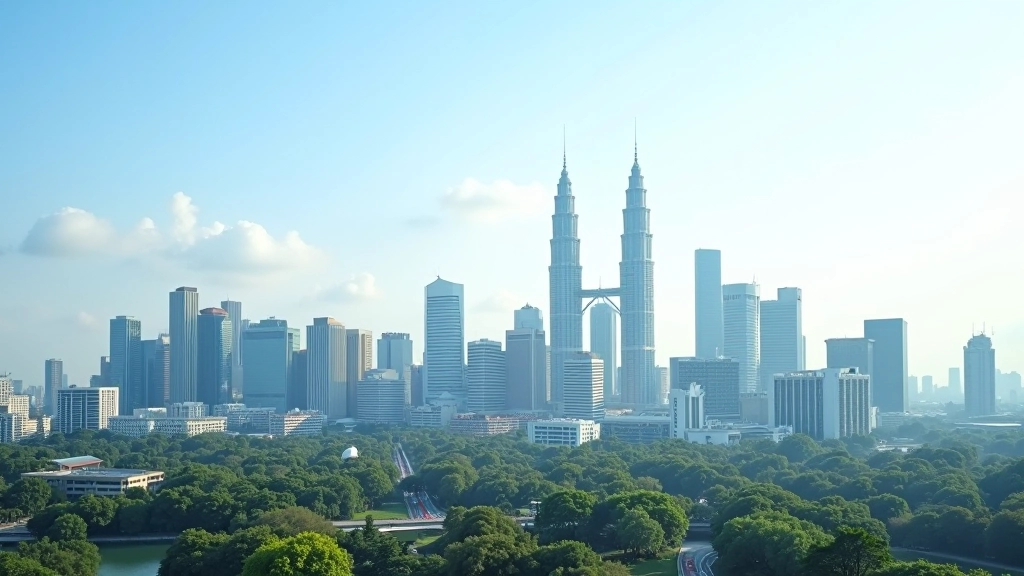
Malaysia’s post-independence development strategy concentrated on Peninsular Malaysia. The Klang Valley became the economic powerhouse. Port infrastructure, telecommunications networks, and industrial zones clustered around Kuala Lumpur, Selangor, and Johor. That wasn’t accidental — it was deliberate economic policy. When you’re building a developing nation, you concentrate resources where returns are fastest.
Sabah and Sarawak didn’t have the same institutional frameworks initially. Transportation costs were higher. Urban centers were smaller. So investment flowed to where it could be deployed most efficiently. By 2000, the pattern was locked in. Peninsular Malaysia had the infrastructure, the talent pool, the supply chains. East Malaysia had resources — oil, gas, timber, agriculture — but the value-added processing and services happened elsewhere.
What’s important: This wasn’t inevitable. It was policy. And policy can change.
Understanding the development gap requires looking at concrete metrics. These aren’t just statistics — they reflect real economic capacity and living standards.
Despite representing 60% of land area, East Malaysia generates roughly 8% of national economic output. This concentration is the core disparity.
Peninsular Malaysia’s per capita income runs roughly 40-45% higher than East Malaysia. This affects everything from purchasing power to skill migration.
Unemployment and underemployment rates in East Malaysia run 2-3 percentage points higher than the peninsula average, indicating structural economic challenges.
60% of East Malaysia’s population lives in rural areas versus 22% on the peninsula. Rural development is critical but more expensive to service.
The 12th Malaysia Plan introduced specific economic corridors for East Malaysia. Rather than general regional development, the approach targets specific growth areas with dedicated infrastructure and investment.
Sabah’s corridors focus on three zones: Kota Kinabalu for services and tourism, Sandakan for maritime industries, and the interior for agricultural value-added processing. Sarawak’s strategy emphasizes Kuching as a regional hub, Miri for energy-related industries, and the interior for downstream processing of natural resources.
This approach is smarter than blanket regional development. You’re building clusters where economies of scale actually work. Companies need skilled labor, supply chains, and market access. By concentrating investment in specific corridors, you create those conditions faster than spreading money thinly across the entire region.
The challenge? Execution. Plans look good on paper. Real implementation requires coordination between federal and state governments, private sector buy-in, and sustained funding over 10+ years.

When the economy isn’t creating opportunities at home, people leave. That’s not a failure of character — it’s rational economic behavior. Sabah and Sarawak have experienced steady outmigration for 20+ years. Young educated workers move to Kuala Lumpur, Penang, or Singapore for better wages and career prospects.
This creates a vicious cycle. Less talent in the region means fewer businesses willing to locate there. Fewer businesses means fewer jobs for the next generation. The demographic becomes older, less educated, less productive. Meanwhile, Peninsular Malaysia attracts more talent, which attracts more investment, which creates more jobs. The gap widens.
Breaking this requires making East Malaysia competitive on wages and opportunity. That’s not charity — it’s economics. If you can earn 30% more in Kuala Lumpur and have better career prospects, you leave. Reversing migration means making that calculation change. Higher wages require more productive industries. More productive industries require better infrastructure and human capital. That’s the investment the 12th Plan is attempting to catalyze.
Recent policy changes aren’t just rhetoric. They represent resource reallocation and institutional changes that could shift East Malaysia’s trajectory.
The 12th Plan allocates 40% of federal development funds to East Malaysia compared to roughly 30% historically. That’s RM 200+ billion over five years directed specifically toward Sabah and Sarawak infrastructure and services. Real money with real consequences for port development, road networks, and power infrastructure.
Sabah and Sarawak now have greater control over economic development decisions within their territories. Rather than waiting for federal approval on every initiative, states can move faster on targeted development projects. This speeds up decision-making for corridor development and business attraction.
New tax incentives and investment guarantees are designed to attract private companies to East Malaysia. Manufacturing in the corridors gets tax breaks. Energy-related industries get preferential treatment. These aren’t handouts — they’re attempts to shift the investment calculus for private companies evaluating where to locate.
Plans are one thing. Execution is another. Bridging East Malaysia’s development gap faces real structural challenges that won’t disappear with policy announcements.
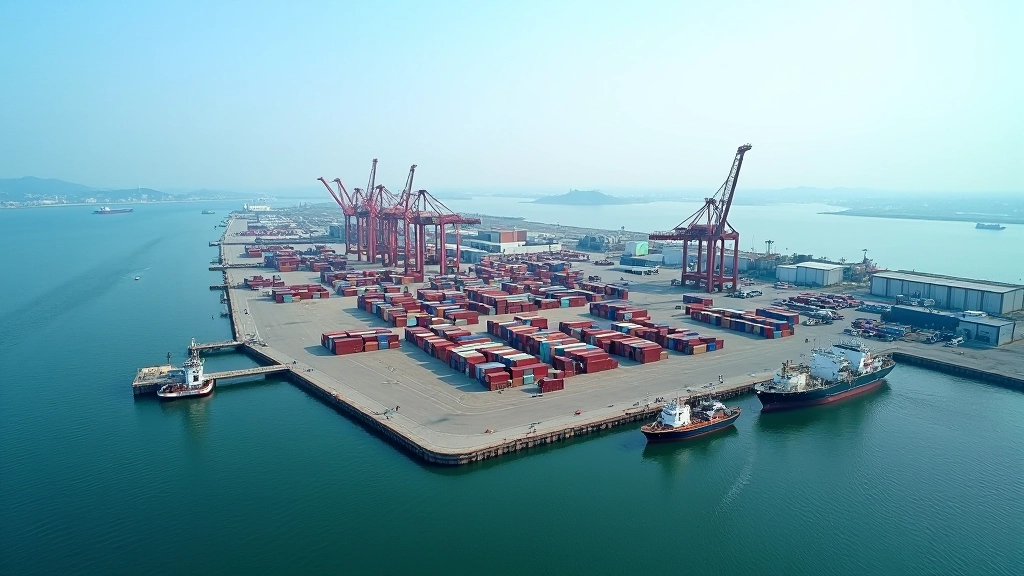
Building ports, roads, and telecommunications networks takes time and money. You’re not upgrading existing systems — you’re building from scratch in many cases. A modern port facility takes 5-7 years to construct and operate profitably. That’s a long runway before seeing economic returns.
You can build infrastructure, but you need skilled workers. Universities, vocational training, and professional development don’t happen overnight. East Malaysia needs to develop talent pipelines for high-value industries. That requires education investment competing against outmigration of educated workers.
Federal and state governments must coordinate on major projects. Private sector buy-in requires confidence in policy consistency. Political transitions can derail long-term commitments. Without sustained institutional commitment across political cycles, even well-funded plans stall.
Bridging the development gap doesn’t mean East Malaysia becomes identical to the peninsula. It means creating viable economic opportunities where people can earn decent incomes, access quality services, and build careers without leaving the region.
Realistic success looks like: Per capita income approaching 85-90% of peninsula levels within 10 years. Unemployment rates converging with national averages. Urban centers with functioning supply chains attracting regional companies. Younger generations staying because the economic calculus has shifted.
It’s not a miracle fix. It’s gradual, messy, political, and requires sustained investment. But the current policy direction is real. Funding is being allocated. Corridors are being developed. Whether it actually works depends on execution over the next 10-15 years.

This article provides informational and educational content about Malaysia’s economic development policies, regional corridors, and demographic trends. Data cited reflects publicly available government reports, economic surveys, and research through February 2026. Economic statistics and projections are subject to change based on policy implementation, market conditions, and external factors. This content is not investment advice, economic forecasting, or policy recommendation. Regional development outcomes depend on numerous factors beyond federal policy. Readers interested in specific investment or business decisions in these regions should consult with local economic experts, government agencies, and professional advisors familiar with current conditions.